





result

About


PROMOTIONAL ACTIVITY
Planning Visual Assets for Project Lifecycles: A Forward-Looking Approach
Share:



By Ely Hemnes
DOMAIN 5

In the AEC industry, visual storytelling has long focused on the finished building, bridge, or landscape —captured fully once the project is polished and complete. But much of the real narrative emerges earlier, in the collaboration, logistics, ingenuity, and culture that evolve throughout the project — the moments that bring the final vision to life.
A forward-looking approach reframes visual content development as something that spans the entire lifecycle of a project. By planning intentionally and capturing strategically at key milestones, firms can build a richer, more flexible, and more compelling visual asset library that serves pursuits, marketing, recruiting, communications, and builds long-term brand value.
Below is a lifecycle framework you can apply to any project — from vertical construction to complex infrastructure — to ensure you’re not just documenting the result, but the evolution.
STEP 1: Vision + Pre-Planning
Establish the narrative early — and capture the collaboration that shapes the work.
A project’s story begins long before ground is broken. Early planning moments are some of the most overlooked, yet they reveal the intent, teamwork, and decision-making that define the entire project.

During this phase, capture:
Design charrettes
Kickoff meetings
Interdisciplinary workshops
Early client discussions
Site walks and initial conditions
Rendering reviews or model discussions
Capturing moments during the project start-up phase communicates purpose and alignment. These assets can also serve as powerful tools for BD and marketing when explaining how a project’s vision was formed, not just how it was executed.
Importantly, internal teams can capture many of these early moments without bringing in outside crews. Simple smartphone photos or short video clips from charrettes, workshops, and planning discussions become invaluable context later in the project’s lifecycle.
STEP 2: Early-Stage Capture (Design → Groundbreaking)
Document the vision before construction takes shape.

This phase visually anchors the “why” behind the project. Capture:
Concept and design intent visuals
Leadership or PM interviews
Community engagement or public announcements
Grading, utilities, and site preparation
Groundbreaking events
These early assets help teams communicate the design process and set expectations for stakeholders.
STEP 3: Field Progress & Active Construction (Vertical, Horizontal, Civil, and Infrastructure)
Show the transformation as work moves from meetings to active construction.
Whether the project rises vertically, stretches horizontally, or unfolds across miles of civil or infrastructure work, this is the phase where the environment becomes dynamic and visually compelling. Capturing these moments provides essential context for stakeholders and powerful storytelling assets for BD and marketing.
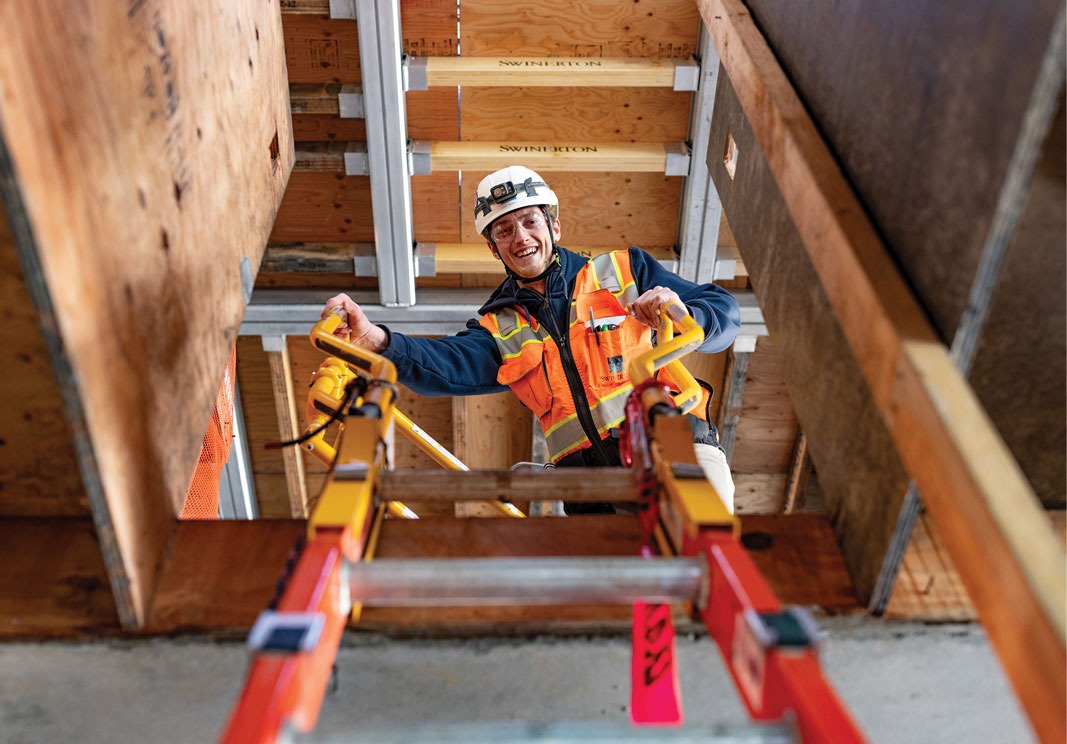
During this phase, capture:
Structural framing and steel erection
Earthwork, grading, trenching, and utility installation
Rebar placement and formwork
Concrete pours
Crane operations and major lifts
Heavy equipment operations (excavators, dozers, trenchers, rollers)
Pull Planning sessions and on-site coordination
Safety Meetings and Stretch & Flex routines
Trade partner collaboration
Site logistics and material deliveries
Traffic control and phasing
This phase demonstrates execution, scale, and capability.
STEP 4: Installations & Hidden Work
Reveal what will soon disappear — and differentiate your firm.
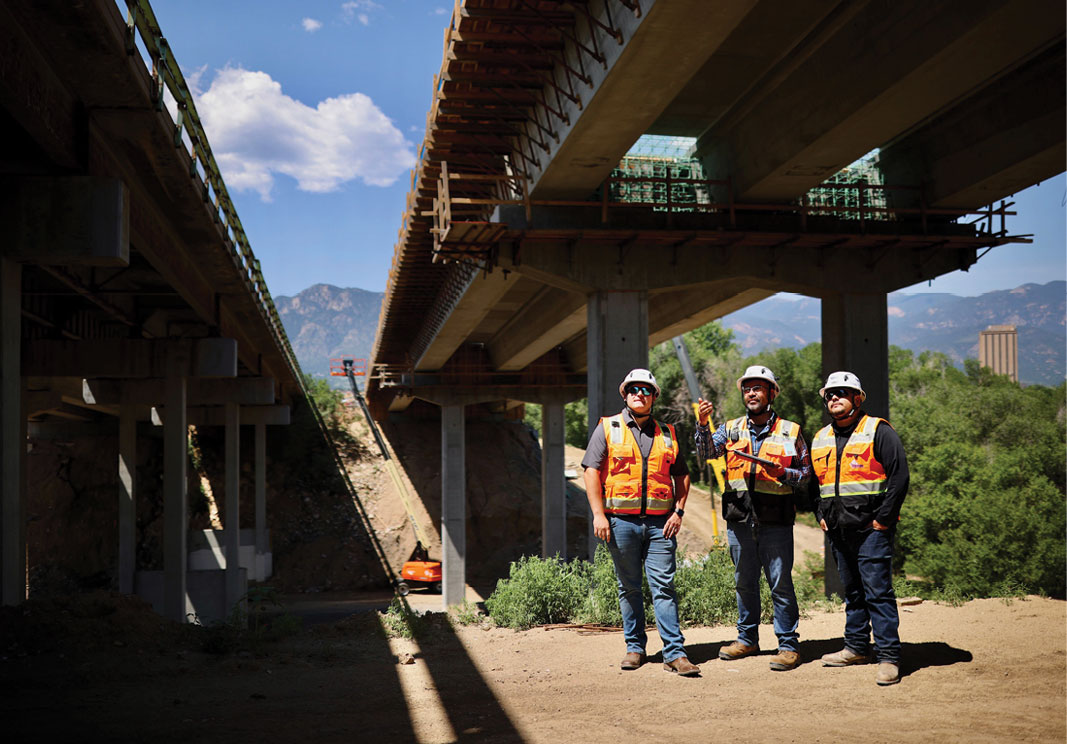
Some of the most valuable storytelling happens before walls close up. Capture:
Mechanical rooms and equipment
MEP routing and distribution
Underground utilities and trench installations
Civil, roadway, and site infrastructure systems
Specialized equipment installation
QA/QC checks and testing
Technology and controls integration
These visuals are essential for award submissions, technical marketing, training, and future project pursuits.
PEOPLE & CULTURE — Woven Throughout Every Phase
Human-centered visuals are the backbone of a compelling project story.
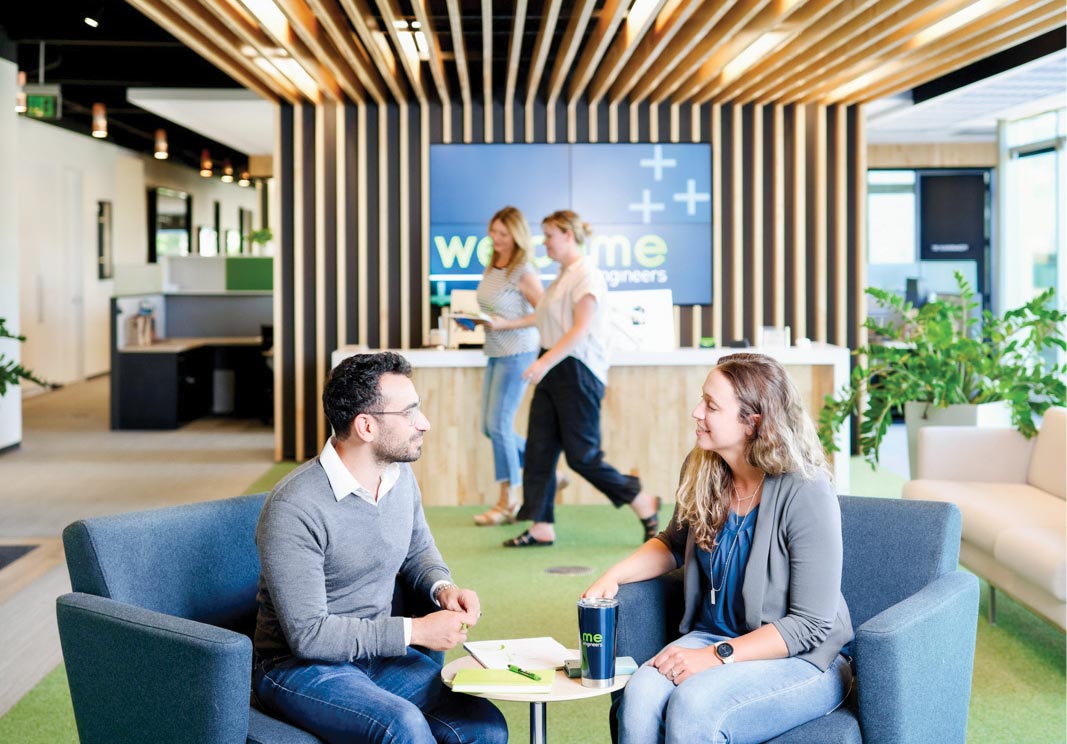
Though phases are defined by project milestones, the true continuity of a project is its people. Documenting your teams throughout every phase builds a visual library that is authentic, ownable, and aligned with the firm’s culture and values.

People-focused visuals support:
Brand awareness & differentiation
Custom stock for marketing & communications
Recruiting & retention
Long-term brand value across markets and years of work
People are not a “step” — they are the thread that connects the entire lifecycle.
STEP 6: Substantial Completion & Final Photography
Capture the polished vision — but treat it as one chapter of the story.
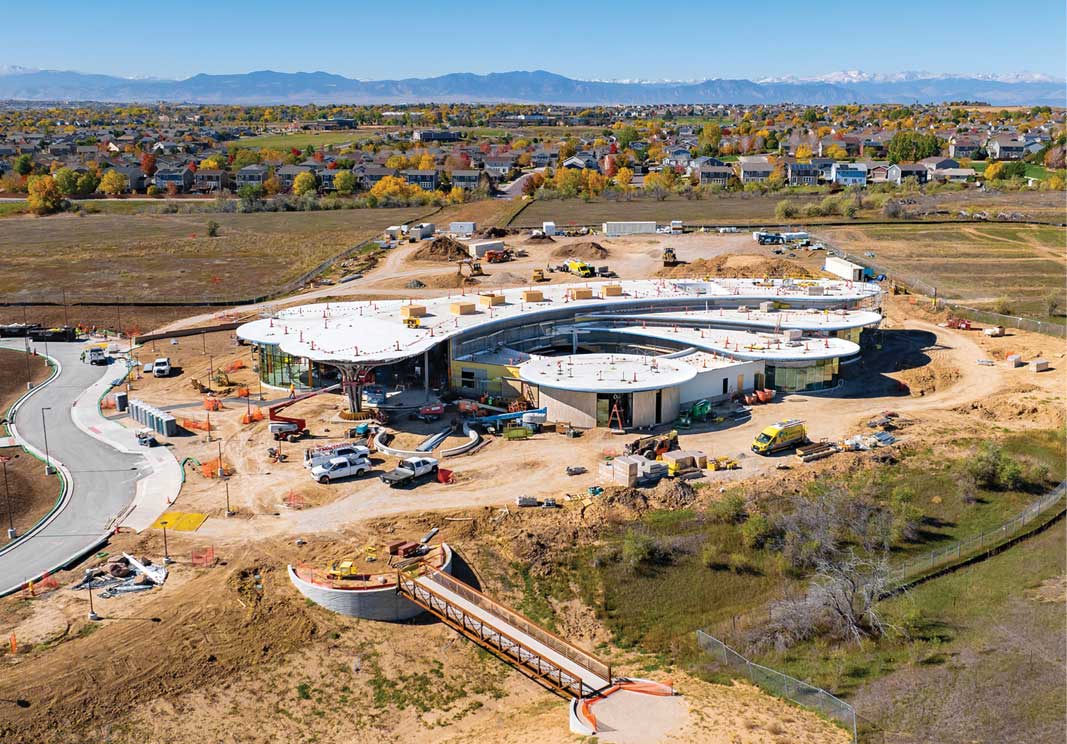
Final photography and video are essential, but they become exponentially more valuable when paired with the full lifecycle. Capture:
Finished architectural or project photography
Hero drone footage
Interview short videos
Ribbon cuttings or occupancy ceremonies
Client testimonials
These visuals anchor case studies, awards, and long-term brand storytelling.
STEP 7: Post-Project Integration
Build lasting value by archiving assets strategically.
Once assets are captured, integrate them into a structured Creative Asset Library organized by:
Phase
Discipline
Location
Project type
Theme (innovation, sustainability, teamwork, safety)
This ensures marketers and BD teams can access visuals quickly and leverage them for future pursuits.
A thoughtful visual strategy doesn’t just document a completed project — it captures the expertise, collaboration, and culture that bring it to life.
By planning imagery throughout the lifecycle, AEC firms create a deeper, more authentic narrative that strengthens marketing, elevates pursuits, supports recruiting, and preserves institutional knowledge. And when key milestones call for external support, partnering with professionals who truly understand AEC environments ensures the work is captured safely, accurately, and with the technical nuance it deserves. Together, these efforts build a visual library that reflects not only what you build, but who you are and the vision that drives your work.
Ely Hemnes is the Founder and CEO of The Unfound Door, a national woman-owned creative agency specializing in photography and videography for the AEC industry. With over a decade of experience, Ely bridges the gap between corporate processes and creative production, helping clients efficiently showcase their stories through high-quality visual content. She leads with a focus on innovation, strategic growth, and building client trust.
Connect on Linkedin